


The allure of chance and risk
The psychology of casino gaming is deeply rooted in the allure of chance and the thrill of risk. Humans are inherently attracted to uncertainty, and casinos leverage this by creating environments that heighten emotional responses. The potential for winning large amounts of money, often through a single bet, activates the brain’s reward system. This system releases neurotransmitters, such as dopamine, which contribute to feelings of pleasure and satisfaction. Many players, searching for excitement, often turn to the highest payout online casino options available in hopes of maximizing their rewards.

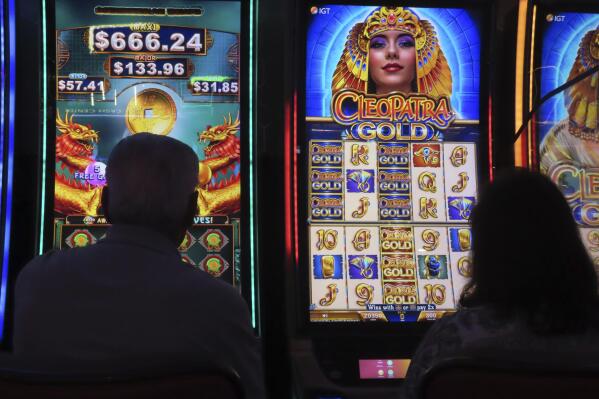
Moreover, the design of casinos themselves plays a crucial role in influencing gaming decisions. They are strategically constructed to create a sensory overload—bright lights, sounds of winning, and the smell of money—keeping players engaged and encouraging them to gamble longer. This combination of emotional excitement and environmental cues enhances the desire to take risks, drawing individuals deeper into the gaming experience.
The role of cognitive biases in gambling
Cognitive biases significantly shape the decisions made by gamblers. One prominent example is the illusion of control, where players believe they can influence the outcome of a game, despite it being entirely based on chance. This belief propels gamblers to make irrational choices, such as placing larger bets or playing longer than initially planned, driven by the erroneous idea that their actions can improve their odds.
Another common bias is the gambler’s fallacy, where players assume that past outcomes affect future results. For instance, someone might believe that a slot machine is “due” for a payout after a series of losses. Such thinking can lead to strategies that are not supported by statistical reality, ultimately affecting the time and money invested in gambling activities.
The importance of social factors in gaming decisions
Social influences play a significant role in shaping gambling behavior. Group dynamics and peer pressure can lead individuals to gamble in ways they might not consider alone. For instance, a person may feel compelled to play a game or increase their stakes when surrounded by friends who are also gambling. This social reinforcement can create a sense of belonging, making the act of gambling more appealing and fun.
Additionally, the emergence of online gaming communities has further amplified these social factors. Players often share experiences, strategies, and wins on various platforms, creating an environment that encourages participation. The communal sharing of gambling experiences reinforces the excitement and potential for success, making players more likely to engage in gaming activities.
The impact of emotional state on gambling decisions
A person’s emotional state profoundly influences their gaming decisions. For example, someone feeling euphoric or excited may be more inclined to take risks and place larger bets, whereas anxiety or sadness can lead to impulsive decisions driven by the desire to escape negative feelings. Emotional regulation is essential in gambling contexts, as unchecked feelings can lead to poor decision-making and increased financial risk.
Understanding the emotional triggers that lead to gambling can help individuals develop healthier habits. This awareness can promote self-control and encourage players to set limits on both time and spending. Recognizing when to walk away from the gaming table is crucial in maintaining a balanced approach to gambling and mitigating the risks associated with emotional decision-making.
Conclusion: Understanding gambling behavior through psychological lenses
Exploring the psychology behind casino gaming decisions provides valuable insights into why individuals engage in gambling and how various factors influence their choices. By understanding the interplay of chance, cognitive biases, social influences, and emotional states, individuals can approach gambling more thoughtfully and responsibly.
Our platform is dedicated to providing resources and information on this fascinating topic. By empowering users with knowledge about the psychological aspects of gambling, we aim to foster informed discussions and promote healthier gaming habits among players. Join us in exploring these insights further and contributing to a more sustainable approach to casino gaming.